
What Type Of Ecommerce Business Model Is The Best For You?
- Dec 16, 2021
- 4 min read
Updated: Jan 19, 2022

The online ecommerce market has been rapidly growing these past few years, and is expected to continue to grow at an even faster rate. The growth of mobile usage and the rise in social media usage have created a perfect storm for online retail. If you are planning to start an online business, or if you currently own one, it is critical that you understand the six main types of business models for ecommerce businesses break down into. These include: drop shipping, private labeling, white labeling, subscription box , wholesale or retail. The type of business model you choose will depend on your end goals, and how much money you are willing to invest in your business.
Each model have their own unique qualities and benefits. Below is an overview of different ecommerce business models and what they entail.
Drop shipping
Drop shipping is a business model where you don’t have to deal with the hassle of a physical store. You only need a website and a drop shipper, which is a company that makes and sells a product for you. Drop shipping is a business model where the merchant does not keep the stock and ships the goods and products immediately after receiving an order. A person can set up an e-commerce website, take orders from customers, buy the corresponding product from a wholesale company, and then have it shipped directly to the customer. Drop shipping is a great way to start a business from home without the initial investment. You can launch a drop shipping business with as little as a few hundred dollars, and it gives you the freedom to create a business that you love and choose the hours you want to work.. You need to do your research and find out how much competition is in your industry and find out who your audience is. You also need to know the best business idea for your audience.
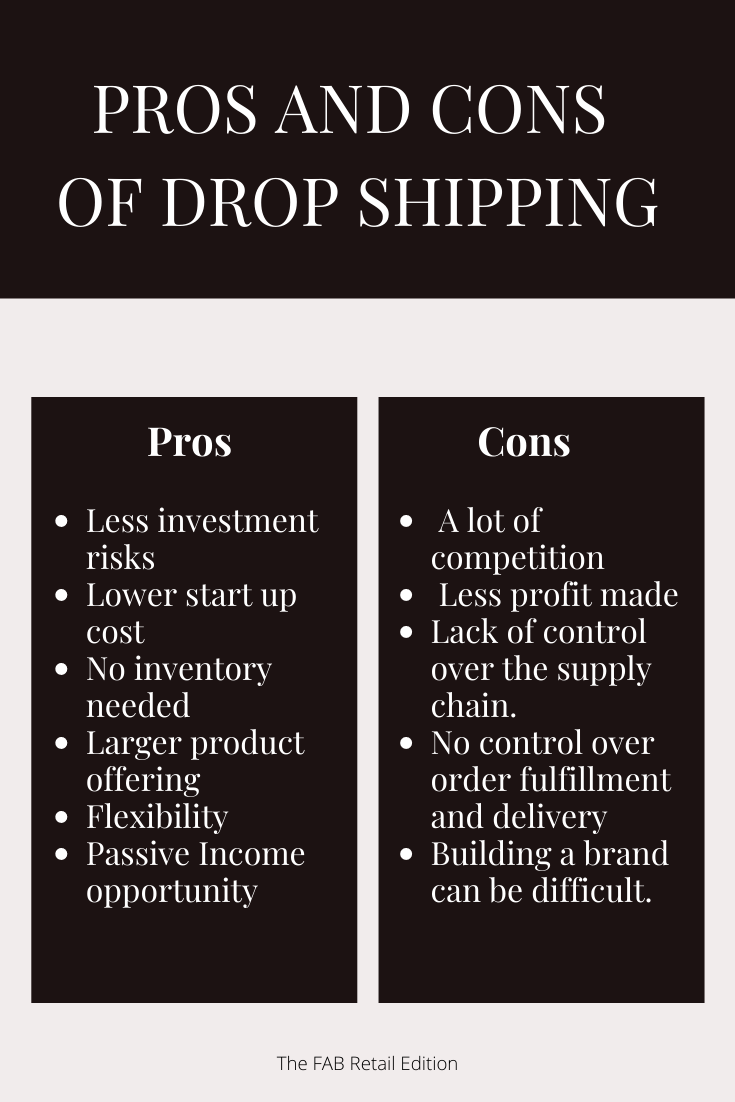
The Pros & Cons Of Drop shipping
What Is Private Labeling
Private labeling is defined as producing and selling branded versions of other manufacturer’s products. You buy these products from the original manufacturer and put your own label on them. You can have your own name on the label or simply put your logo there. Private labeling is a great way to get your product into the market and make profit. The products can be sold on Amazon, eBay, or even your own website. This is still an up-and-coming business model, but there are already millions of people making a full-time salary from private labeling.
The Pros & Cons Of Private Labelling
Private labeling is not without its pitfalls, however. Here are some of the pros and cons of private labeling that you should consider before making the decision to launch a product under your own label.

What is White labeling
White labeling is a process in which you rebrand another company’s product or service and then sell it as your own. For example, Apple's electronics are white-labeled by Foxconn and resold to end users. If you want to use this strategy, you need to find companies that are not only selling high-quality products but also have a large customer base.
The Pros & Cons Of White Labelling
As with all business decisions, there are pros and cons to white labeling. Listed below are the main ones:

Some get confused and use private labelling and white labelling interchangeably, before moving on to next business model let's take look at the difference between the two.

Subscription Service
A subscription service or paid membership service is a business model that provides customers with access to products and services on a recurring basis in exchange for payments. Often, a subscription model is one of the primary business models for streaming media, software, and other online services.
Subscription services are becoming increasingly popular lately. Subscriptions are all the rage nowadays, and they are growing in popularity daily. There are tons of companies with subscription services, including BarkBox, Dollar Shave Club, Book of the Month, Birchbox, etc.
The Pros & Con Of A Subscription Box Business
Before deciding on whether this is the business model for you here are a few the prosand cons of the subscription business model:

What Is Wholesaling
Wholesale is a business model where the wholesaler buys goods from the manufacturer or another wholesaler, then resells those goods to a retailer. The idea behind this is that the wholesaler can sell more products than the manufacturer, and they make extra profit on each unit sold. The key to success in a wholesale business is finding a reliable supplier with a high-quality product and low enough prices to allow the wholesaler to make a profit.
.
The Pros and Cons Of A Wholesale Business
Starting a wholesale business have some benefits and drawbacks take a look at both:

Retail Business (Direct To Consumer)
If you don’t know what a retail business model is, you’re not alone. It’s not nearly as popular as other business models, and most people don’t know what it is or how to create it. A retail business model is when your company sells products directly to customers. The most common type of retail business you see every day is a physical store, but it can also be an ecommerce site or even a brick-and-mortar store that sells digital products. Examples of physical retail businesses include grocery stores, clothing retailers, and car dealerships. Examples of digital retail businesses include e-commerce websites like Amazon and video game companies like Valve Corporation. Retail industry has been changing dramatically over the last few years, mainly due to an increase in online sales. According to statistics from the ITC, e-retail sales worldwide are estimated to reach $2.2 trillion
Pros & Cons Of A Retail Business
Here are some of the advantages and disadvantages when starting a retail business :

Depending on what you are trying to sell and your business goals, the type of ecommerce business model you choose can make a big difference in your success. While there is no one best model for everyone, it’s important to know the different options available so you can decide which type will work best for your unique situation. Are there any other types of ecommerce business models that you feel should be included?


Comments